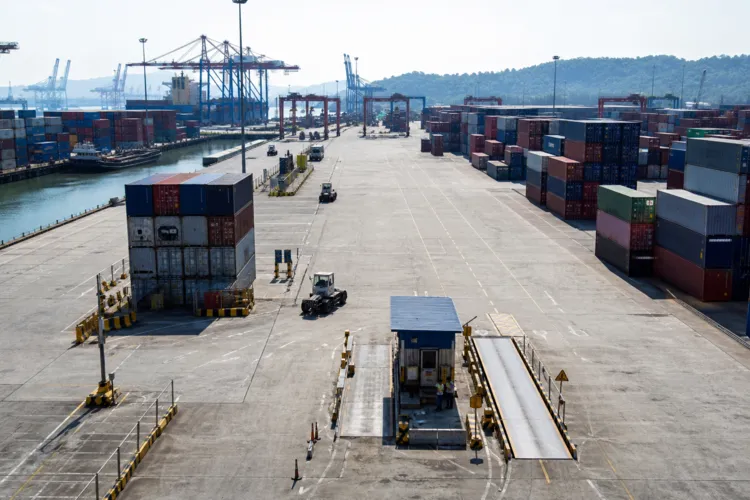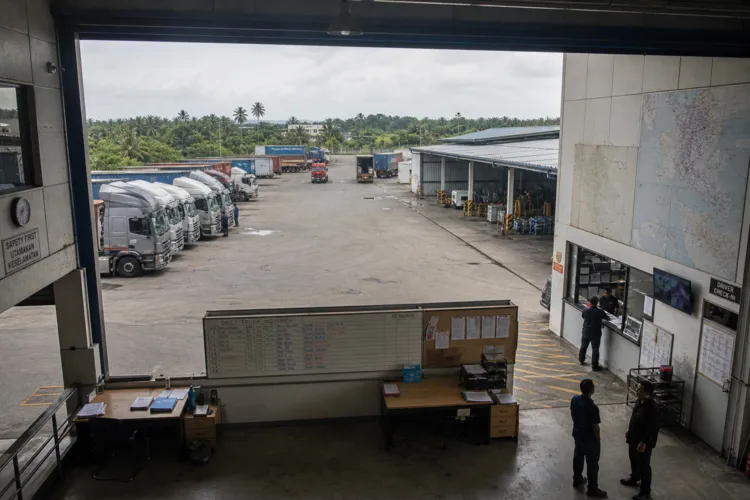
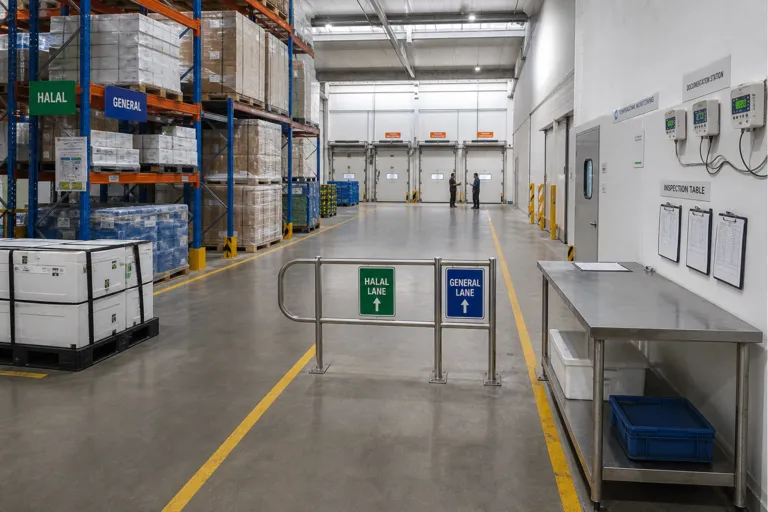
Halal logistics is more than moving boxes. It covers end-to-end movement, storage, and handling that must remain compliant with Islamic dietary and ethical standards. That means segregation from non-halal products, temperature integrity for perishables, and auditable chain-of-custody documentation. For Malaysia, this matters because exports are already sizable. Malaysia’s halal exports were reported at RM52.1 billion in 2021 and RM55.6 billion in 2022. These flows raise the stakes for logistics hubs that can protect compliance at every handoff while still moving fast enough for modern trade lanes.
A practical hub strategy starts with the domestic freight and cold-chain base. In the Malaysia freight and logistics market, freight transport held 55.62% of market share in 2025, pointing to the importance of capacity and network coverage. Temperature-controlled warehousing is forecast to grow at a 6.24% CAGR from 2026–2031, supported by vaccine distribution, halal-protein exports, and biologics trials. In parallel, halal supply chain cold-chain logistics spend in Malaysia was estimated at about US$1.8 billion in 2022. Together, these signals support hub development that combines port, airport, and inland cold facilities with certified operating practices.
Designing Hubs Around Certification, Cold Chain, and Traceability
Hub design also has to reflect how certification rules shape infrastructure decisions. MarkWide Research notes that Malaysia’s Department of Islamic Development (JAKIM) and Indonesia’s Halal Product Assurance Agency (BPJPH) now mandate domestic halal certification for imported food and cosmetics. It also highlights certification fragmentation between JAKIM and BPJPH, which can force operators to maintain parallel compliance architectures and inflate facility costs across Southeast Asia’s halal trade corridors. In this context, Malaysia halal logistics hubs need clear segregation layouts, audit-ready documentation processes, and operating models that can adapt when shipment destinations require different certification pathways.
Cold chain is a major differentiator for high-value halal trade, especially for pharmaceuticals. MarkWide Research points to specialized demand for certified 2–8°C distribution infrastructure for vaccines and biologics in Muslim-majority markets. In Malaysia, Mordor Intelligence describes DHL’s 38,000 ft² dual-certified pharma hub at KLIA meeting IATA and GDP protocols, with chain-of-custody compliance that can command premium yields. It also notes that blockchain pilots for cold-chain traceability and ubiquitous IoT probes are likely to be standard features for new builds. These capabilities align with the broader push for halal supply chain transparency and compliance cited in global halal logistics market research.
Finally, hubs must work for how buyers increasingly purchase halal products: through online channels and cross-border marketplaces. Global Industry Analysts reports that in key markets such as Indonesia, Malaysia, and the GCC nations, online marketplaces specializing in halal products are experiencing double-digit growth, driving investment in halal-compliant transportation and cold-chain logistics. The same source flags standardization issues and the absence of a unified global halal logistics framework as barriers to seamless cross-border trade. Malaysia’s policy direction also points toward more structured traceability. Precedence Research notes the Malaysian government is working toward creating a Halal Hub within a few years, alongside an integrated halal product codification and trade data system intended to enhance traceability and logistics to maintain consumer trust.
What does halal logistics require inside a trade hub?
What figures show Malaysia’s halal export scale and momentum?
Which growth signals support more cold-chain investment in Malaysia?
How do JAKIM and BPJPH rules affect hub design for cross-border trade?
How is Malaysia halal logistics being strengthened for pharma shipments?