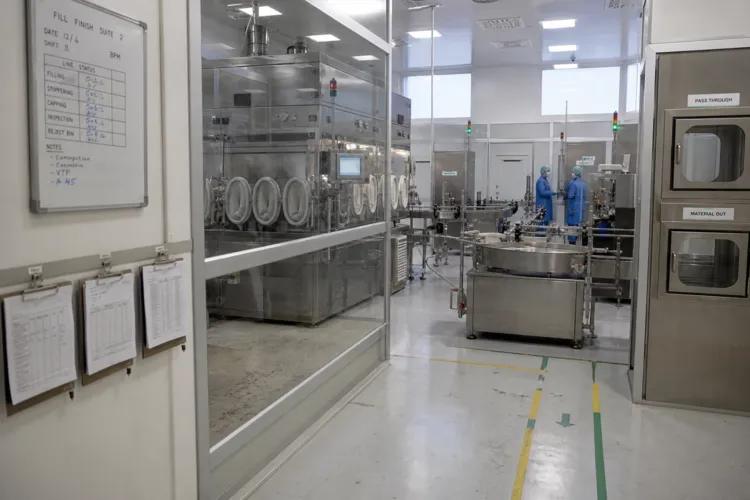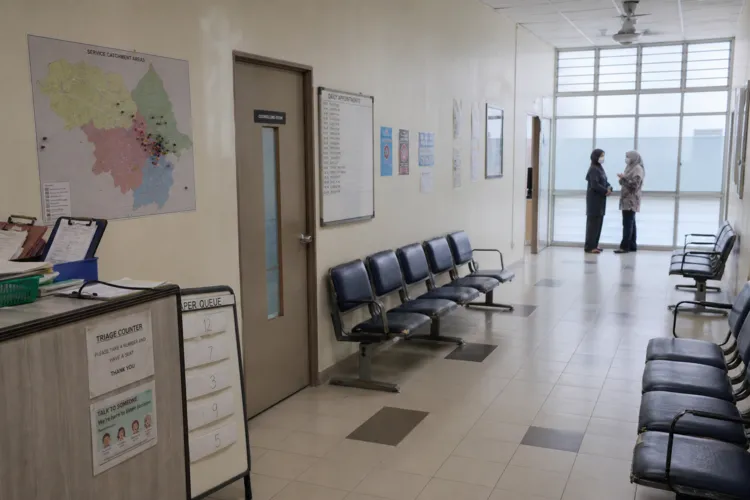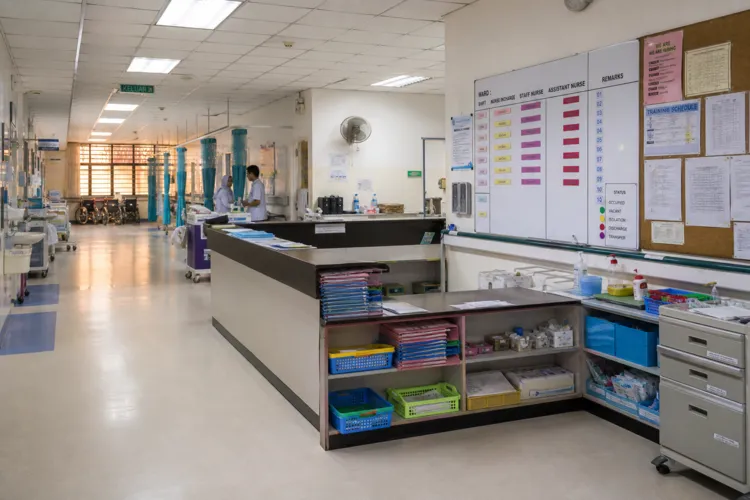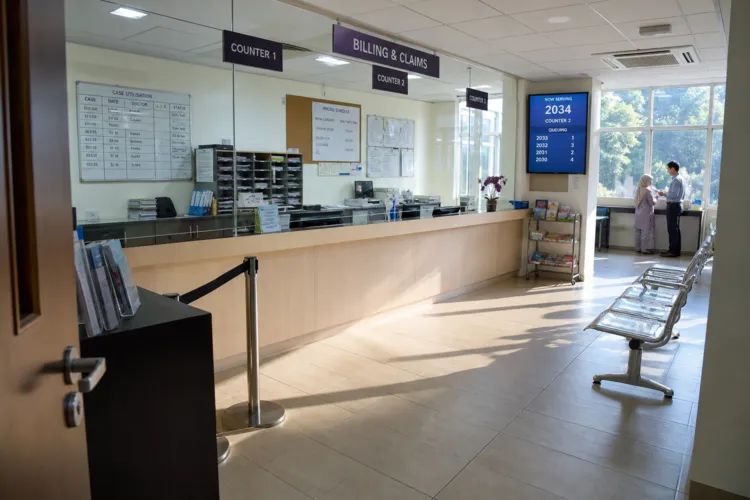

Momentum in Malaysia’s clinical research ecosystem has been visible in sponsor and CRO activity, especially around the services coordinated by Clinical Research Malaysia (CRM). An Applied Clinical Trials analysis reported that up until September 2016, there was more than a 200% growth in the number of sponsors using CRM’s services, while the number of CROs doubled over the same period. That shift was described as an indicator of confidence from foreign investors in Malaysia’s capabilities. CRM’s role is practical and operational. Its service scope includes feasibility studies, investigator selection, placement and development of study coordinators, trial budget management, and review of clinical trial agreements. Those functions address common friction points for industry-sponsored research and help expand Malaysia’s pool of investigators, support staff, and trial sites.
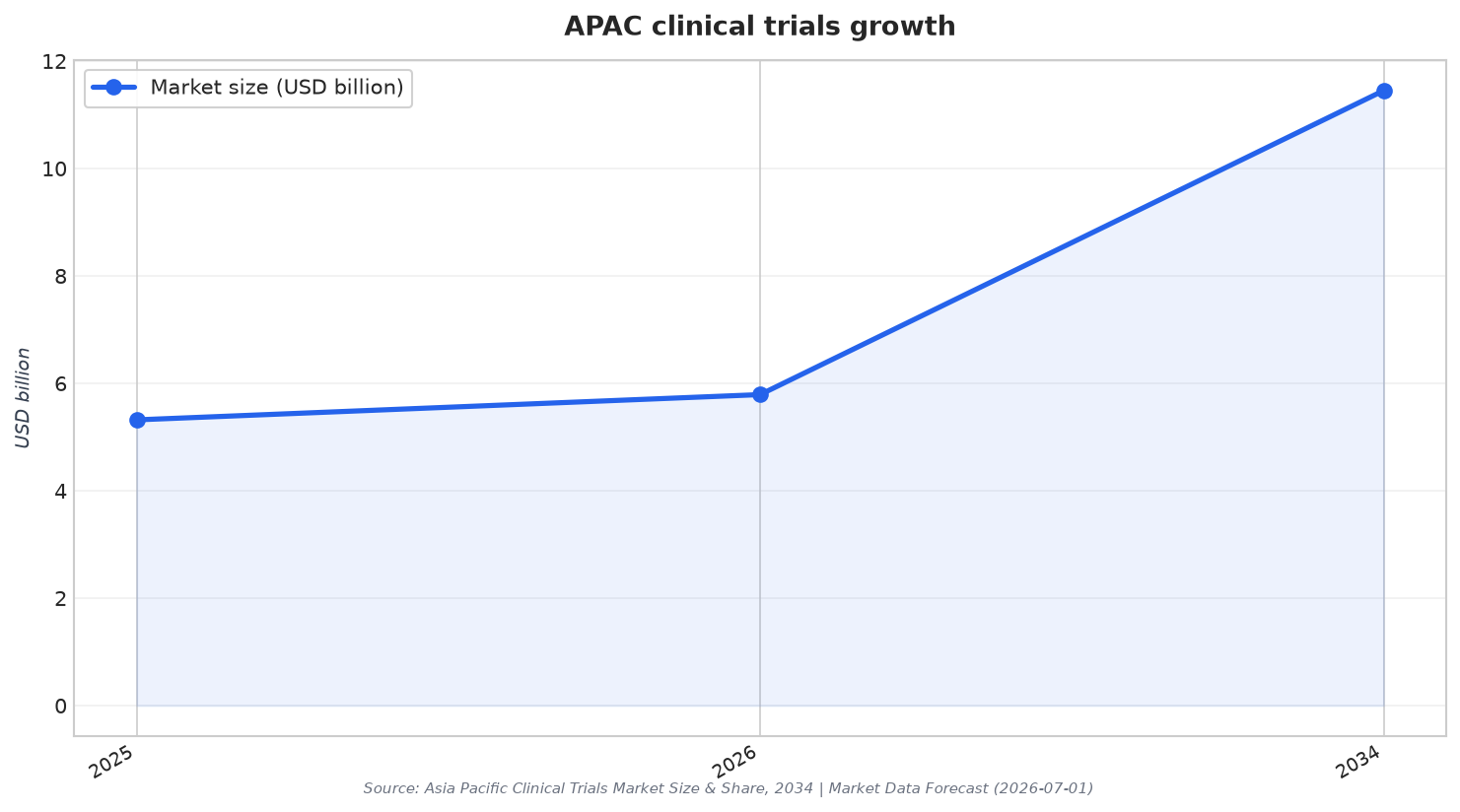
Malaysia’s appeal is often discussed within the wider Asia-Pacific context. Grand View Research describes Asia Pacific as the fastest-growing clinical trials market, driven by outsourcing from developed economies and supported by large and diverse patient pools, recruitment, established infrastructure, and skilled medical practitioners. In a separate regional forecast, the Asia Pacific clinical trials market was valued at USD 5.32 billion in 2025, estimated at USD 5.79 billion in 2026, and projected to reach USD 11.45 billion by 2034, at a CAGR of 8.9% from 2026 to 2034. For sponsors evaluating Malaysia, these regional dynamics matter because they shape where programs are placed and how CRO networks are built. Research Nester also frames Malaysia (alongside South Korea) as centralizing as a notable innovation facility by providing lower costs, positioning it within APAC’s broader expansion story rather than as an isolated market.
What’s Powering Malaysia’s Site Network and CRO Execution
The operating model in Malaysia combines public coordination with active academic and private site participation. Kitsa describes Kuala Lumpur as the dominant research hub, home to the University of Malaya Medical Centre (UMMC), UKM Medical Centre, major public hospitals, and a well-developed private hospital sector. It also points to Penang as a northern anchor and notes Johor Bahru as a growing corridor benefiting from proximity to Singapore’s regional pharmaceutical headquarters while offering significantly lower operating costs. The same source highlights clinical trial capabilities that include multiethnic trial design, including pharmacokinetic/pharmacodynamic bridging studies that leverage Chinese, Indian, and Malay participant sub-groups within Malaysian sites. It also cites CRM and NPRA-linked regulatory strategy and support functions, positioning Malaysia as an Asian anchor or ASEAN bridging data market in global development programs.
Malaysia’s CRO presence is also best understood through a regional services lens. MarketDataForecast estimates the Asia-Pacific CRO services market will reach USD 15.05 billion by the end of 2033, growing at a CAGR of 8.34%. The report links this growth to government and regulatory support aimed at strengthening pharma and biotech ecosystems, noting that countries such as South Korea, Singapore, and Malaysia have introduced favorable policies, tax incentives, and funding programs to attract foreign investment in clinical research. Within the same regional discussion, it cites India’s approval timelines dropping from 18 months to under 9 months between 2019 and 2023 as an example of how policy and process changes can improve operational efficiency. For the Malaysia clinical trials industry, the takeaway is not that Malaysia matches another country’s timeline, but that the region’s competitiveness increasingly depends on execution speed, sponsor-facing services, and scalable CRO delivery.
There are also demand-side fundamentals that can influence trial strategy. Applied Clinical Trials notes that countries in Asia offer varying disease epidemiology across infectious and chronic diseases, including lifestyle-related conditions such as diabetes, obesity, hypertension, and various cancers associated with urbanization. In Malaysia, it reports that the urban population in 2016 was estimated at 75% of the total population, compared with 57% in the East Asia and Pacific region. These factors intersect with Malaysia’s two-pronged healthcare system, with a major contribution from the public health sector, and with expanding site capability described across Kuala Lumpur, Penang, and other corridors. Combined with CRM’s facilitation model and a growing base of experienced investigators and sites, Malaysia is building a clearer proposition for sponsors that want Asia-Pacific reach with operational coordination and multiethnic study design options.
What evidence shows rising sponsor and CRO activity in Malaysia?
What does Clinical Research Malaysia (CRM) do for industry-sponsored trials?
Where are the main clinical research hubs in Malaysia?
How is Asia-Pacific growth relevant to the Malaysia clinical trials industry?
What regional CRO services trend provides context for Malaysia’s CRO sector?