Malaysia’s Budget 2026 signals a major push to modernise transport while putting stronger attention on safer roads. The government announced over RM12 billion allocated across strategic initiatives spanning rail, buses, rural connectivity, and service upgrades. Prime Minister Dato’ Seri Anwar Ibrahim told Parliament that mobility is “the lifeblood of the economy and the people’s livelihoods,” and stressed the need for networks that are efficient, safe, and well-connected from remote villages to major metropolises. In that context, Malaysia road safety becomes both an infrastructure question and a day-to-day governance priority, tied to how people commute, access services, and travel between regions.
Public transport support features prominently, with nearly RM200 million allocated for stage bus services. The plan includes new routes and additional buses in Johor Bahru to support the upcoming Johor–Singapore RTS (Rapid Transit System). For remote communities, the Federal Government will continue to subsidise Rural Air Services with RM209 million to support connectivity in Sabah and Sarawak, even as the programme has been devolved to the Sarawak state government. Affordability is also addressed through the MyRailLife pass. It offers free travel on KTM Komuter and DMU Shuttle trains, continues for students and persons with disabilities, and is expanded to include all children under six.
Rail Expansions, Capacity Gains, and Timelines That Reshape Travel
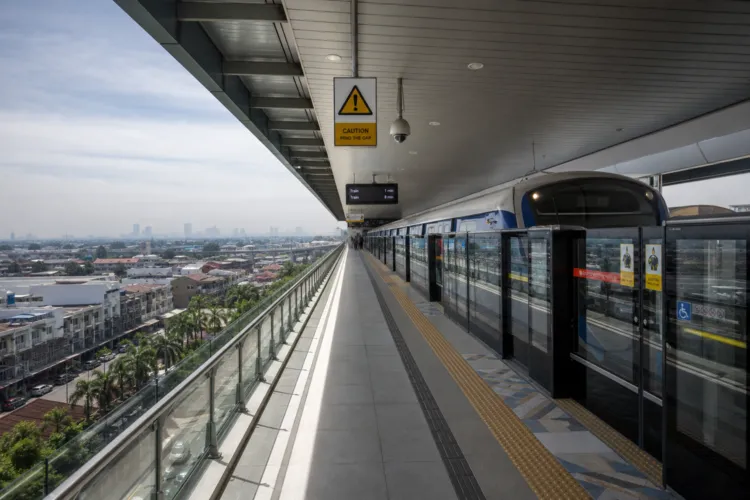
Several rail milestones come with clear timelines and performance targets. The Electric Train Service (ETS) now reaches Kluang and will extend to Johor Bahru Sentral by the end of 2025. The LRT3 line linking Bandar Utama to Johan Setia in Klang is scheduled to become operational by late 2025, and is designed with capacity to carry over 6,200 passengers per hour in each direction. The East Coast Rail Link (ECRL) Phase 1 connecting Kota Bharu and Gombak is on track for completion by end-2026, and is expected to reduce travel time from Kelantan to the Klang Valley to four hours. The Klang Valley Double Track Phase 2 is a RM4.1 billion project with full completion expected in 2029.
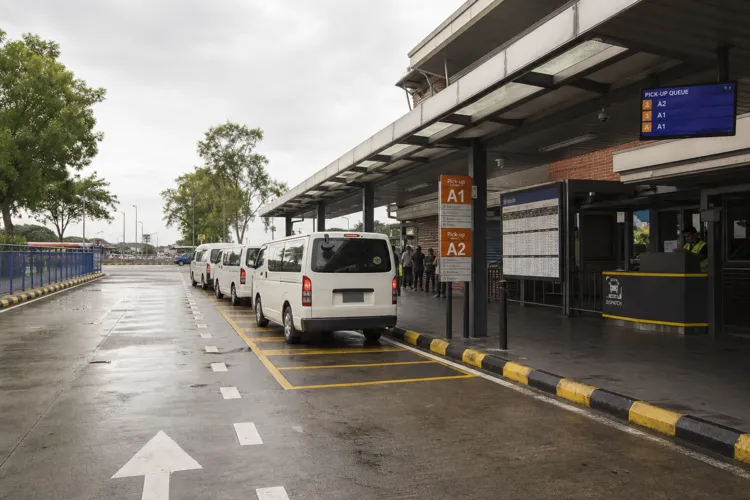
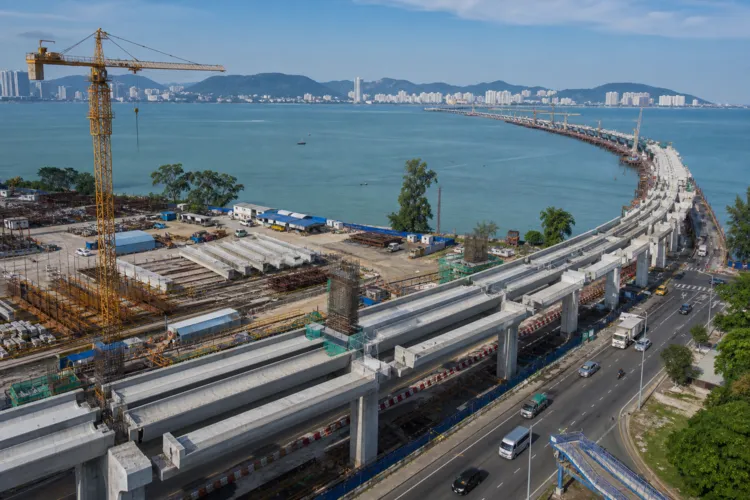
Reliability and low-carbon fleet shifts are also built into the package, which can influence safety outcomes by changing how often people rely on congested roads. Prasarana Malaysia Berhad will replace 26 LRT Kelana Jaya Line trains at a cost of RM1 billion. Implementation has begun on the LRT Mutiara Line in Penang, which is set to benefit 1.8 million residents and over 3.5 million annual visitors. Prasarana will receive 310 new buses by February 2026 to increase service frequency in key areas. In addition, 300 Demand Responsive Transit vans will be fully operational by the end of 2025 for first- and last-mile links. Longer term, 1,450 electric buses and 300 electric vans will be procured in stages through 2030.
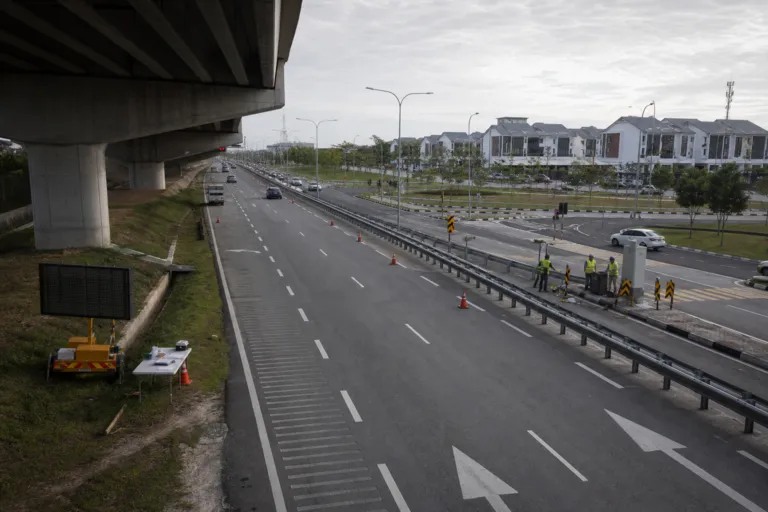
Alongside the transport build-out, the budget outlines a tougher stance on road safety after a series of deadly incidents. The Vibes referenced multiple crashes, including one involving students from Universiti Pendidikan Sultan Idris, a tour bus crash in Ayer Hitam, a police vehicle accident in Teluk Intan, and a lorry incident at the Bukit Kajang toll plaza that claimed a life. Separately, an opinion piece in The Sun pointed to the Department of Statistics Malaysia’s emphasis on digital data tools, including “Cause of Death” and “Life Expectancy” calculators, and argued for turning dashboards into genuine action plans. Together, these signals frame safety as enforcement, infrastructure, service quality, and data-driven follow-through.
What did Budget 2026 announce for mobility and safer travel in Malaysia?
Which rail projects have near-term operational targets mentioned in the plan?
What is the timeline and expected travel-time impact of ECRL Phase 1?
How does the plan support Malaysia road safety beyond building new infrastructure?
What bus and on-demand service upgrades are scheduled through 2026?