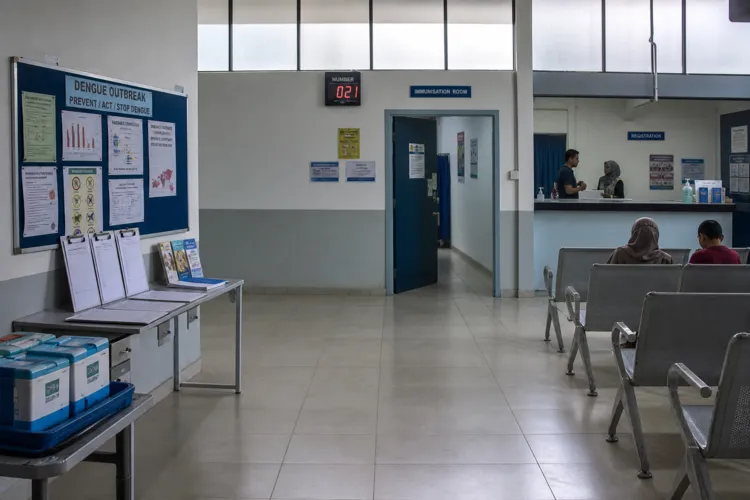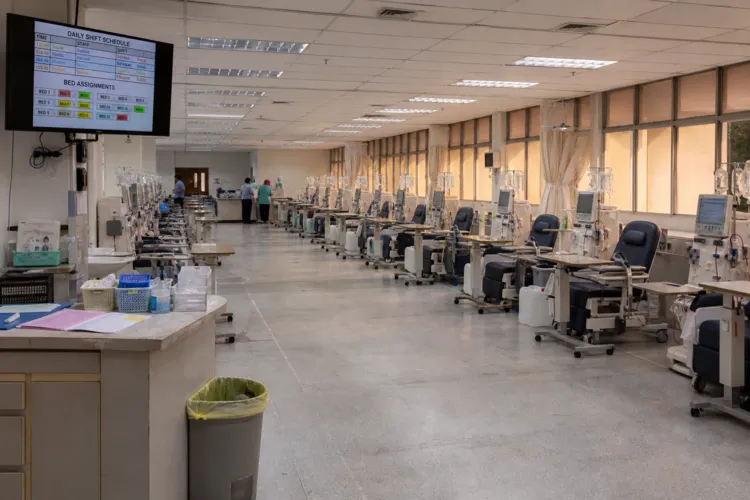
Malaysia private hospital expansion in 2026 is unfolding in a market that multiple forecasts describe as steadily growing. Expert Market Research valued the Malaysia hospital market at USD 12.12 billion in 2025 and anticipates a 5.20% CAGR during 2026–2035, reaching USD 20.12 billion by 2035. Another outlook references a USD 11.52 billion base in 2024, with growth toward an estimated USD 19.13 billion by 2034 at a 5.20% CAGR. Across these projections, demand is linked to Malaysia’s ageing population, a rising incidence of chronic diseases, and stronger expectations for higher-quality, more personalised services.
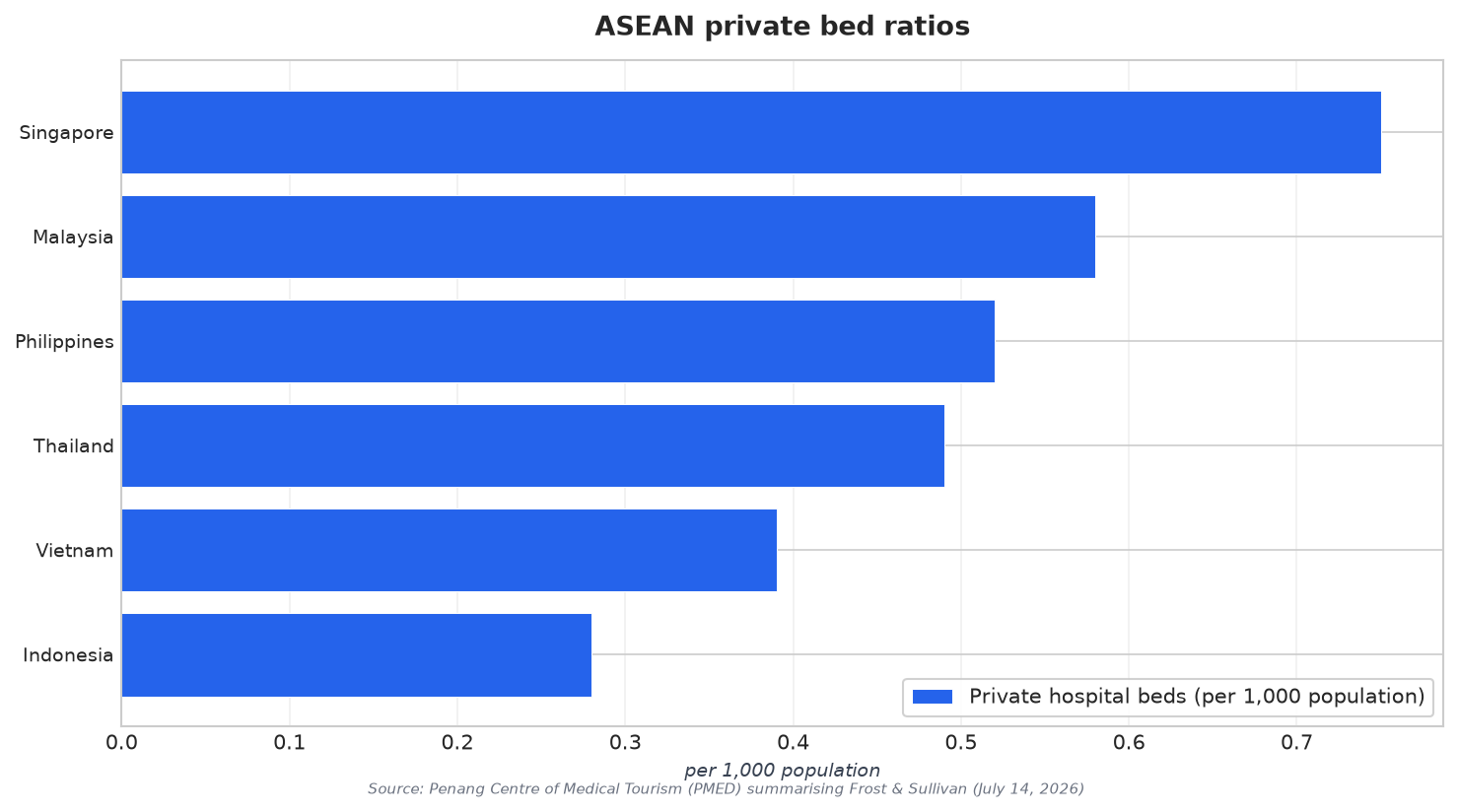
On-the-ground, the private sector already has significant scale. Frost & Sullivan estimates Malaysia has about 290 private hospitals and nearly 19,000 private hospital beds. The same source projects capacity could reach about 27,000 private hospital beds by 2028, a jump that would change local supply dynamics and intensify competition for staff and patients. Frost & Sullivan also frames Malaysia as having the second-highest private hospital bed ratio among major ASEAN markets at 0.58 beds per 1,000 population, behind Singapore at 0.75, highlighting why providers are focused on adding beds while defending service quality.
Insurance Demand Is a Major Pull for New Capacity
Rising insurance penetration is a core explanation for why operators are confident about adding capacity. Frost & Sullivan states that medical and health insurance takaful claims reached RM6.75 billion in 2023, a six-fold increase since 2003. The New Straits Times report also notes that private healthcare is expanding faster than the public sector, supported by rising affordability and the expansion of the middle class. For hospital groups, this points to more predictable, funded demand, but also greater scrutiny from payors, with pressure to show outcomes and manage costs as utilisation rises.
Expansion is also taking shape through network consolidation, new builds, and technology-led differentiation. In November 2024, IHH Healthcare expanded its Malaysia footprint by acquiring Island Hospital in Penang, positioned as a move to enhance access in Northern Malaysia and elevate clinical services through integration. In the same month, Mahkota Medical Centre launched what it described as Malaysia’s first Next-Gen Smart Ward, featuring IoT-driven devices and real-time patient monitoring systems. These moves mirror a broader push toward digital healthcare solutions and patient-centric models, as Malaysia’s digital health market was valued at US$534 million in 2024 and projected to grow at a 9.89% CAGR through 2032.
Regional growth ambitions also depend on how Malaysia performs in medical tourism. Malaysia hosted about 1.6 million healthcare travellers in 2024 and generated RM2.4 billion in revenue, according to Frost & Sullivan commentary cited by local reporting. Competition is explicit: Malaysia is positioned against Thailand and Singapore, where Thailand is described as strong in electives, aesthetics, and wellness, while Singapore is positioned as a premium hub for complex care. Malaysia’s strengths are described as orthopaedics, cardiology, and cancer care, supported by competitive pricing and strong infrastructure. Providers are also investing in specialty breadth, with Expert Market Research citing rising demand for IVF and reporting IVF success rates of 55–60%, reinforcing why hospitals expand services where cross-border demand is strongest.
How big is Malaysia’s hospital market expected to be by 2035?
How many private hospitals and beds does Malaysia have today?
What is Frost & Sullivan’s projection for private hospital beds by 2028?
What insurance trend is supporting private healthcare growth?
What is driving Malaysia’s private hospital expansion in 2026?