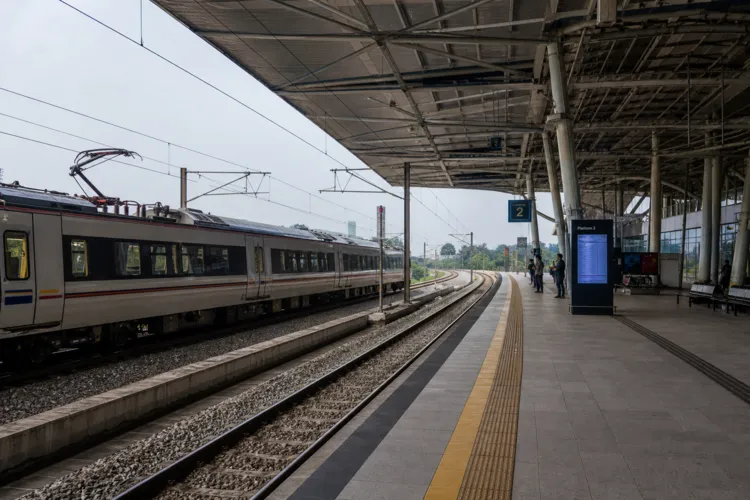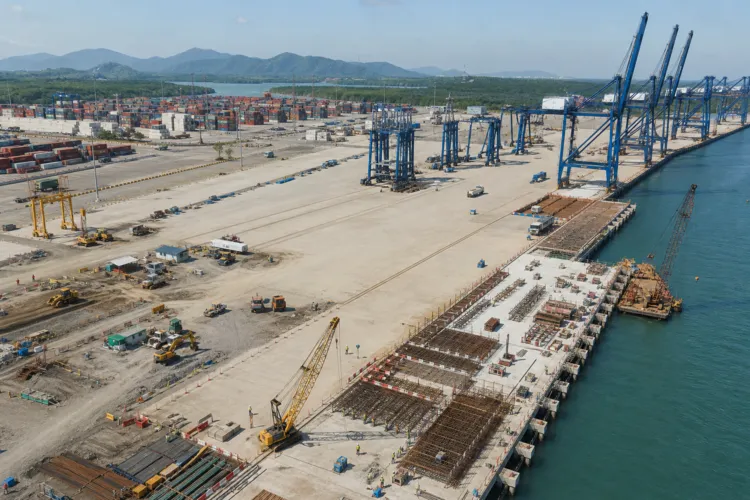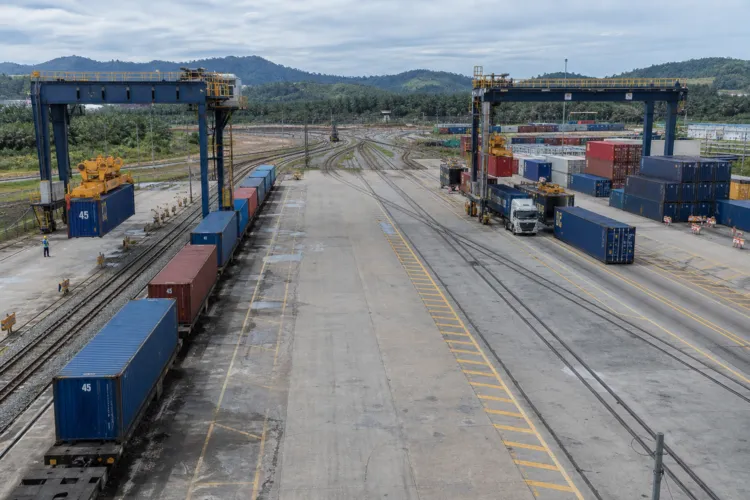
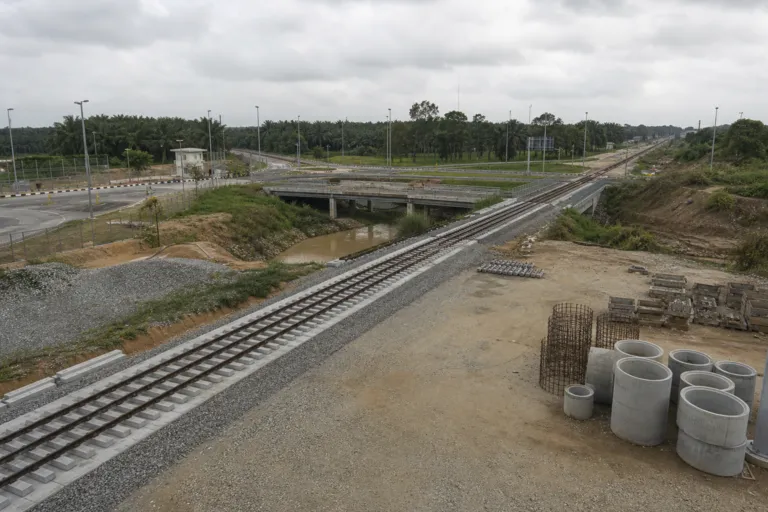
Malaysia is weighing a rail move that could change how the northern frontier works in practice. Following Prime Minister Datuk Seri Anwar Ibrahim’s visit to China, Malaysia and China agreed on a proposed extension of the East Coast Rail Link (ECRL) alignment from Kota Bharu to Rantau Panjang in Kelantan. Anwar said the link could stimulate economic activity in remote areas that had previously been left behind, and it could establish a direct transport connection with Thailand. For businesses watching Malaysia Thailand border trade, the logic is straightforward: a clearer, more reliable inland connection can support trade flows while also spreading growth beyond the most active border gateways.
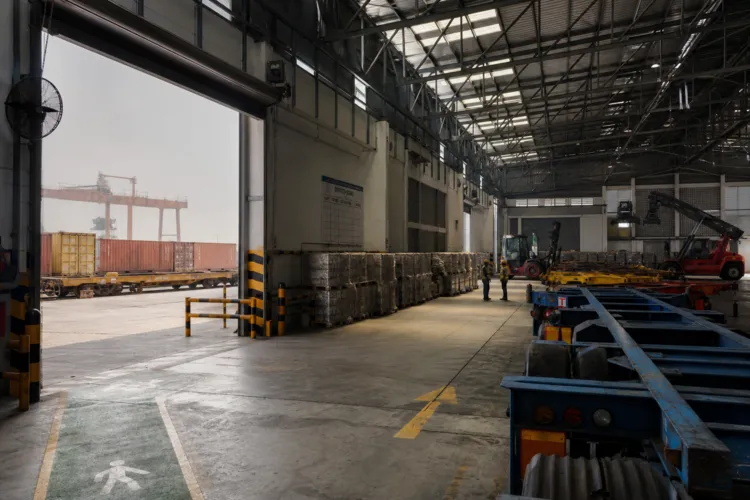
The extension proposal sits inside a bigger rail picture. The ECRL route is described as starting in Kota Bharu and ending at Port Klang, linking 20 stations. In that mix are 10 passenger stations and another 10 stations combining freight and passenger transport. Another report describes the core ECRL as 665 kilometres and designed as a land transport artery connecting Port Klang on the west coast to the less-developed east coast, with the original alignment terminating in Kota Bharu before the newly agreed push north to Rantau Panjang. The business question is not only where trains run, but how the border node becomes more than a stop, potentially enabling better logistics planning around the Kelantan–Thailand crossing.
From Border Town Buzz to a Cross-Border Logistics Node
Local sentiment in Rantau Panjang matters because the town has lived through a visible cycle of boom and slowdown. Malay Mail reported that the border town was once bustling, but a decline in visitor numbers left some premises quiet, even as remaining traders hope for a turnaround. Traders see the proposed ECRL extension as more than a transport alternative and as a potential catalyst to revitalise economic activities by improving accessibility and boosting trade. The idea is echoed at the national level: Anwar said further discussions would be held with stakeholders before the proposal is submitted to the Cabinet for consideration, signalling that implementation details and local readiness will shape how quickly benefits can be realised.
Rail is only one part of the border infrastructure story. Channel NewsAsia reported plans by Malaysia and Thailand to build a second six-lane bridge parallel to the existing link connecting Sungai Golok in Narathiwat to Rantau Panjang in Kelantan, with the stated aim of improving traffic flow and boosting economic ties in border regions described as among the poorest in the respective countries. The same report also described real, everyday cross-border demand: a Thai halal ready-to-eat snack maker observed Malaysians buying products in bulk in Thai border towns. Together, a smoother road crossing and an ECRL spur could reinforce each other by making it easier to move shoppers, workers, and eventually cargo in a more predictable way.
Policy initiatives are also being positioned to widen the upside beyond a single checkpoint. In July 2026, The Sun reported that the Malaysia-Thailand Border Economic Zone (BEZ) is intended to unlock broader development beyond Sadao and Bukit Kayu Hitam and would also cover Rantau Panjang, with cooperation from the state government to expedite implementation. Anwar said Bangkok agreed to ease requirements that had affected Malaysian exports—particularly fisheries and agricultural products—when transiting to Laos, Cambodia, and Vietnam, describing the change as helping goods move more smoothly through usual customs procedures. For bilateral ambition, Channel NewsAsia reported that in December 2024 the two countries targeted US$30 billion in trade by 2027, with trade at US$25.03 billion in 2024 and US$18.64 billion from January to August 2025. The promise is clear, but reports also flag hurdles, including the need for stakeholder alignment and the practical mechanics of cross-border coordination.
What is the proposed ECRL extension to Rantau Panjang meant to achieve?
How could this rail plan support Malaysia–Thailand border trade in practical terms?
What key trade figures have Malaysia and Thailand discussed recently?
What is the Malaysia-Thailand Border Economic Zone expected to change?
What approvals or next steps are mentioned for the ECRL extension?