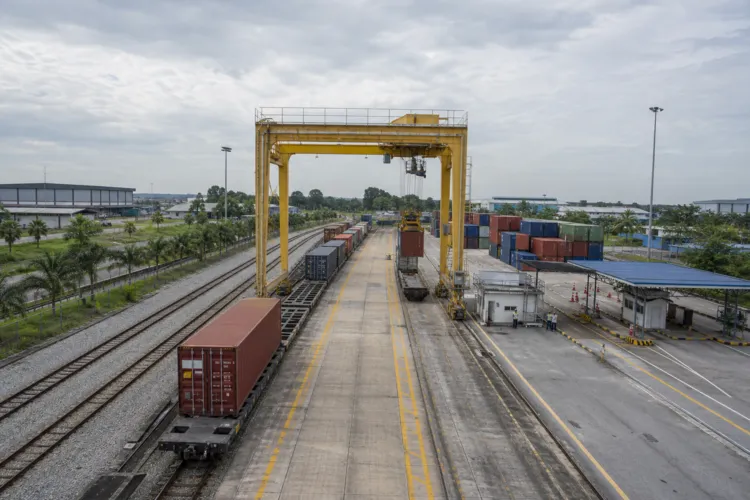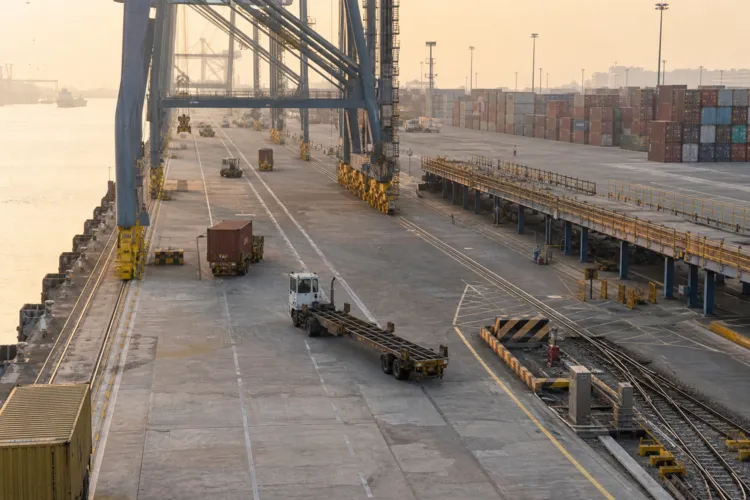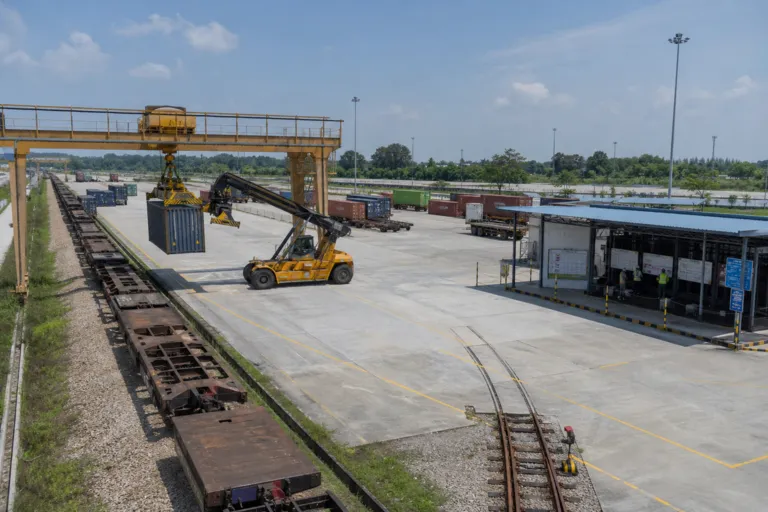
Malaysia’s push to shift cargo off highways is becoming more concrete as the East Coast Rail Link (ECRL) approaches operations. Malaysia Rail Link Sdn Bhd (MRL) says a single ECRL freight train could remove up to 90 container trucks from the road, because each train can carry about 45 wagons, equivalent to 90 TEUs. That claim sets a clear operational benchmark for what road-to-rail substitution could look like in practice, especially on long hauls where trucking dominates because it is flexible and door-to-door.
The ECRL is positioned as a freight connector between the East and West Coasts of Peninsular Malaysia. MRL says it would connect Kuantan Port and, eventually, Kemaman Port with Westports and Northport in Port Klang, strengthening connectivity between major ports. Darwis Abdul Razak, MRL’s CEO, argued that for distances exceeding 200 kilometres, using rail freight is “wise and economical,” while still acknowledging a key reality: lorries remain necessary for first-mile and last-mile delivery. For shippers, the immediate opportunity is planning which legs can shift to rail while keeping local trucking as a feeder.
What Has to Work Before the ECRL Launch
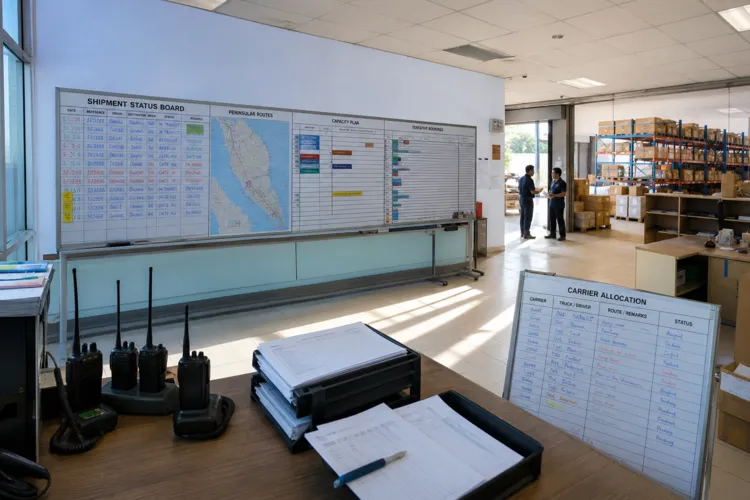
Government and industry messaging is consistent on what will make the shift stick. Darwis highlights competitive pricing, reliable schedules, and effective last-mile connectivity as the conditions that will attract businesses. In Parliament, Deputy Minister Hasbi Habibollah similarly said the ECRL’s effectiveness depends on adoption rates, competitive tariffs, and first-mile/last-mile connectivity. He also cited a freight modal shift study estimating that 24.3 million tonnes of cargo a year could be transferred from road to rail by 2050, indicating the long-run ambition. Near term, the government is planning industrial hubs along the alignment and a spur line providing direct access to Kuantan Port.
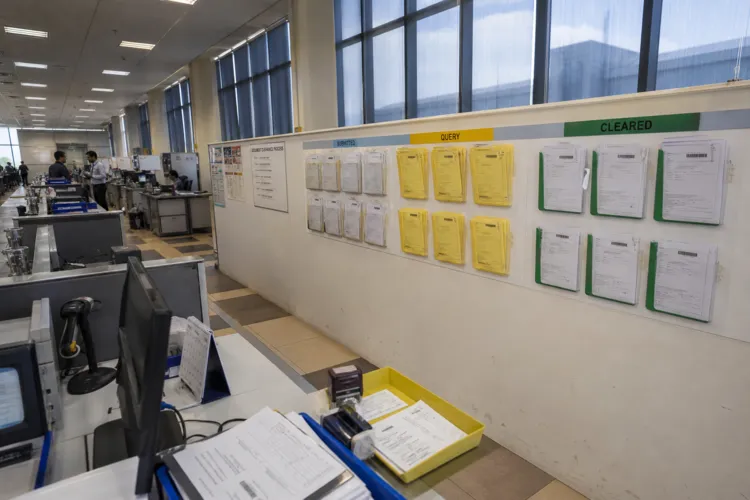
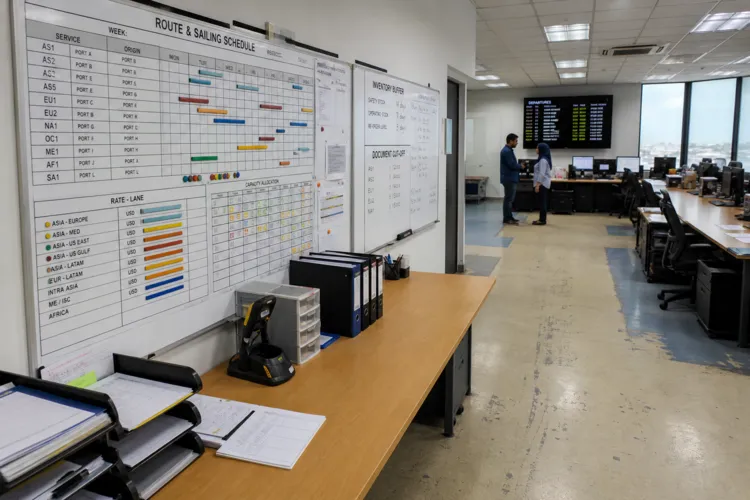
Timing matters because the ECRL is already close to its operating milestone. Darwis said the 665-kilometre project achieved 98.16% completion as of October 2026, with trial operations scheduled for November and commercial services beginning on December 12, 2026. Separately, a market briefing noted MRL reported 95.41% completion as of August 2026, reinforcing that the project is in its final stages. For Malaysia railway freight planning, this is the window to lock in service designs, test intermodal handoffs, and negotiate the commercial terms that will determine whether cargo actually leaves the highway network.
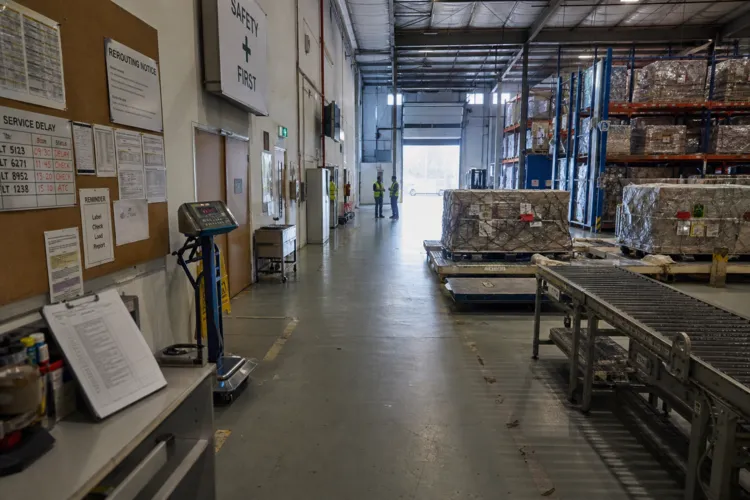
The market context explains why readiness matters. A separate industry report states freight transport accounted for 51.2% of the Malaysia Freight Logistics Market in 2025, reflecting the dominance of road and sea in domestic and intra-regional movement. It also points to why trucking is entrenched: over 2,400 kilometres of tolled highways and the flexibility of truck-based delivery for mixed cargo. At the same time, demand signals keep rising, including Malaysia’s internet retail sales index growing 9.5% year over year in September 2025 and manufacturing output increasing 7.4% year over year in August 2026. Those growth patterns can strain peak capacity, making dependable rail schedules and strong port-to-inland coordination more valuable once ECRL freight is available.
How many trucks could one ECRL freight train replace?
When do ECRL trial operations and commercial service start?
Which ports does ECRL aim to connect for freight movement?
What conditions will make Malaysia railway freight shift from road to rail succeed?
What is the long-term road-to-rail cargo transfer estimate cited for ECRL?